Sticky Keys, Cold Fingers and the Last Hymn: Tyneside’s Young Organists Find Their Feet

Photo: Behind The Velvet Rope TV, CC BY 3.0, via Wikimedia Commons
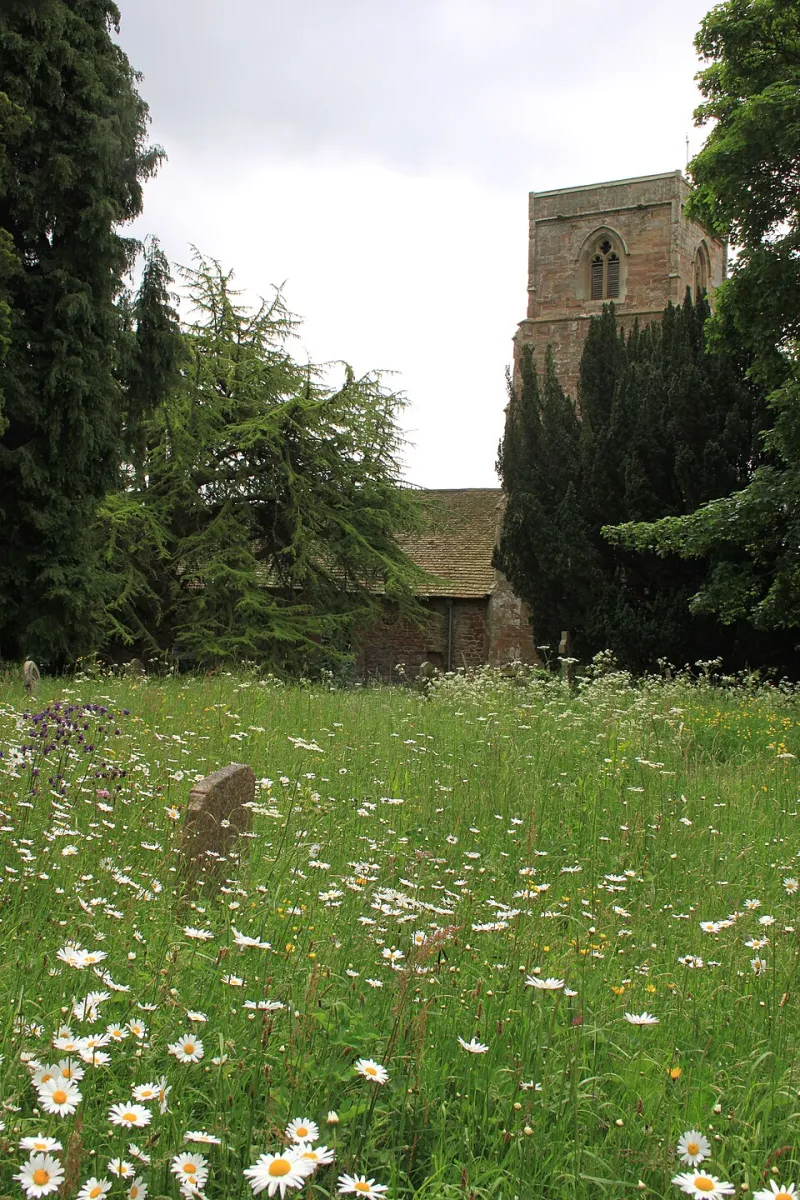
On a Thursday evening in November, the church is colder than the street outside. The radiator ticks. A volunteer has propped the vestry door open with a hymn book, and near the back a teenager is trying to find middle C on an instrument built in 1902.
Her name is Erin, she is sixteen, and she has been learning the organ for eighteen months. The console has sixteen stops, a swell pedal with a mind of its own and a middle C that sticks when the weather turns. She is wearing fingerless gloves. 'You can’t play with gloves on,' she says, pulling one off. 'But you can’t feel your fingers without them either.'
At the console beside her, Alan is watching. He is seventy-eight, retired from full-time church music, and has been playing organs on Tyneside since he was a boy. He doesn’t call himself a teacher. 'I’m just passing on what I was given,' he says. 'And trying not to breathe too loudly while she counts.'
A relay, not a revival
Across Newcastle and the wider Tyneside suburbs, a quiet handover is taking place. Parish organists are getting older. Some have played the same instrument for forty years; a few are well into their eighties. For a long time the assumption was that when they stopped, the music would stop with them. But in a scattering of churches, teenagers and twenty-somethings are starting to take the bench.
It is not quite a revival. The numbers are small, the instruments can be temperamental, and the repertoire is not exactly chart material. But it is a relay. In Heaton, a nineteen-year-old who grew up singing in a school choir is learning to accompany hymns. In Gosforth, a sixth-former drives over with her dad on Saturday mornings to practise the pedals. In the West End, a university student who plays piano badly and organ slightly better has been given a set of keys and a list of Sunday dates.
Many of the learners come through choir, or a parent, or a chance conversation after a service. Some are drawn by the sound: that low, room-filling rumble you feel in your ribs before you hear it. Others are drawn by the puzzle. The organ is not a piano with extra bits. It is a whole weather system of stops, pipes, wind and timing, and the building is part of the instrument.
What the bench teaches
On practice night, the lessons are practical. Erin works on a hymn tune she knows from school assemblies. Alan leans over to adjust a stop. 'Not so much there,' he says. 'Let the words breathe.' Then, after a pause: 'And give the vicar time to find the next line.'
The older players pass on unwritten rules. Don’t drown the choir. Keep the last verse in reserve. Watch the congregation’s shoulders, not just the hymn sheet. Learn which notes disappear in a cold building and which ones come back when the heating is on. None of this is in the tutor book.
There is also the physical business of the thing. Organs were not designed with teenagers in mind. The pedals demand a kind of sideways walking. The swell pedal can stiffen. The keys are heavy. In winter, the church is unforgiving. Erin keeps a flask in her bag and a pair of gloves that she takes off only when she has to.
Alan remembers learning on an instrument older than his great-grandparents. He remembers being told to practise in an empty church because that was the only way to hear how the sound behaved. He remembers the first funeral he played, and the first wedding, and the first Christmas midnight service when he thought his fingers would freeze before the last carol. 'You learn the building,' he says. 'Then you learn the people.'
What the congregation gains and loses
When a retired organist steps back, a congregation loses more than a familiar sound. It loses a memory-keeper. The person at the console knows which hymn the choir can manage on a wet Sunday, which funeral needs something steady, which wedding couple wants the fanfare and which one wants to slip in quietly. That knowledge is not written down.
What it gains is harder to see at first. A young person at the console changes the atmosphere. It says, quietly, that the building is not a museum. It says that Sunday music is worth learning, and that there is a place for someone who is still finding their feet. It also says that the older generation is willing to share the bench rather than guard it.
There are bumps. A new organist may take the hymns too fast. A congregation may sing with more caution than usual. The voluntary after the service may be a little adventurous. But the point is not perfection. The point is that the last hymn lands, and everyone walks out into the cold together.
The small joys
After practice, Erin plays through the final hymn once more. The sticky middle C catches, then releases. The swell pedal sighs. Alan nods. She stops, flexes her fingers, and grins.
'That was better,' she says.
'That was better,' he agrees.
Then he adds the thing that matters most: 'Same time next week?'
Outside, the street is dark and the bus is coming. Inside, the organ is cooling down. It is not a grand revival, this quiet relay of teenagers and retired players. It is something smaller and more stubborn: people learning to make a big old instrument speak again, one Sunday at a time.