No Hymns, No Rush: A Wednesday Morning Communion in Newcastle’s East End

Photo: small midweek communion service English parish church morning light tea cups biscuits, via www.quoteradar.co.uk
The first person through the door is always Margaret. It’s 9:38 on a Wednesday, and she’s already got her shopping trolley parked by the radiator, a copy of the pew sheet folded into quarters in her coat pocket. She doesn’t need to look at it. She knows the order of service the way she knows the number 12 bus timetable.
Before the kettle goes on
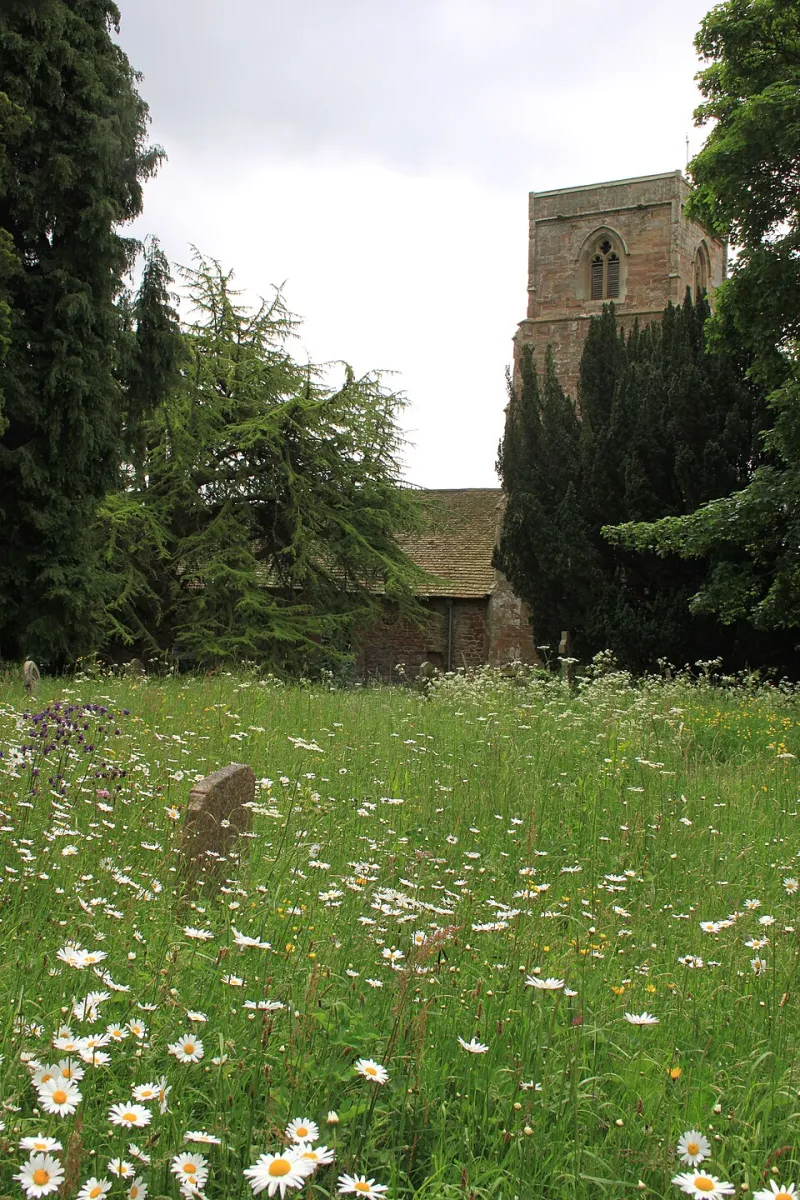
St Cuthbert’s — a squat Victorian church just off Shields Road, in the east end of Newcastle — is not at its most glamorous on a Wednesday morning. The heating clicks and clanks. The flowers from Sunday are beginning to look tired. A faint smell of polish and old hymn books hangs in the air.
But by ten to ten, a small congregation is gathering. A dozen at most. A retired teacher from Heaton. A night-shift nurse who’s come straight from the Royal Victoria Infirmary, still in her scrubs. A carer who has arranged her morning around the fact that her husband is at a day centre until two. A man in a Newcastle United hat who sits in the same seat every week and never says much, but always stays for tea.
The vicar, the Revd Sarah, arrives without ceremony. No robe, just a stole over a jumper. She greets people by name. “Morning, Margaret. How’s the knee?” “Not bad, pet. Still attached.” This is the Church of England at its most ordinary, and that is precisely the point.
The words that never change
The service is said, not sung. No hymns, no organ, no procession. Just a short reading — this week, the opening of Philippians — a four-minute reflection, and the familiar shape of the liturgy. The language is the old Book of Common Prayer, all “thee” and “thou” and “we are not worthy so much as to gather up the crumbs”. Some of the congregation know it by heart. Others follow along in a booklet.
There is a particular kind of stillness in a church when only a dozen people are speaking. Not a sad stillness. A steady one. The kind that makes room for thought.
“You don’t have to perform here,” Sarah tells me afterwards. “Nobody’s watching. You can come in, sit at the back, say the words or don’t say the words. It’s just… available. Every week.”
The passing of the peace takes ninety seconds. A handshake here, a nod there, a whispered “peace be with you” to the man in the United hat. He nods back. It feels, genuinely, like enough.
A short queue and a long memory
At the communion rail, the queue is short enough that nobody feels rushed. Sarah places the wafer in each pair of hands. “The body of Christ.” “Amen.” The wine is shared from a single chalice — a practice some churches dropped during the pandemic and have never quite got round to reintroducing. Here, it has quietly returned. It is not a statement. It is simply what they do.
Afterwards, the kettle goes on in the side room. A plate of digestive biscuits appears. Someone has brought a tin of homemade flapjack. This, too, is part of the liturgy — the unscripted bit. The bit where you find out that the night-shift nurse is moving to a flat in Walker, that Margaret’s daughter is expecting, that the man in the United hat used to work on the ferries.
“People think midweek services are about keeping the numbers up,” Sarah says, cradling a mug. “They’re not. They’re about keeping the thread. Sunday is the big gathering — the music, the families, the chaos. Wednesday is the quiet stitch that holds it together.”
Faith between the Sundays
There is a temptation, in stories about small congregations, to sound a note of decline. To frame twelve people as a problem to be solved. But that is not what this feels like.
What it feels like is a rhythm. A rhythm that has space in it for the carer who needs an hour before the day centre pick-up. For the shift worker who cannot make Sunday but can make Wednesday. For the retired teacher who likes to be home before lunch. For the man in the United hat who rarely speaks but never misses a week.
As the last cup is drained and the chairs are stacked, Margaret puts her trolley back by the door. “Same time next week, pet,” she says to no one in particular. And she means it.
The church will be open. The words will be the same. The kettle will be on. Twelve people, maybe eleven, maybe fourteen. A whisper of faith, kept alive between the Sundays. That’s all. And that’s everything.