Holy Untidiness: The Tyneside Churchyards Letting the Grass Grow Long
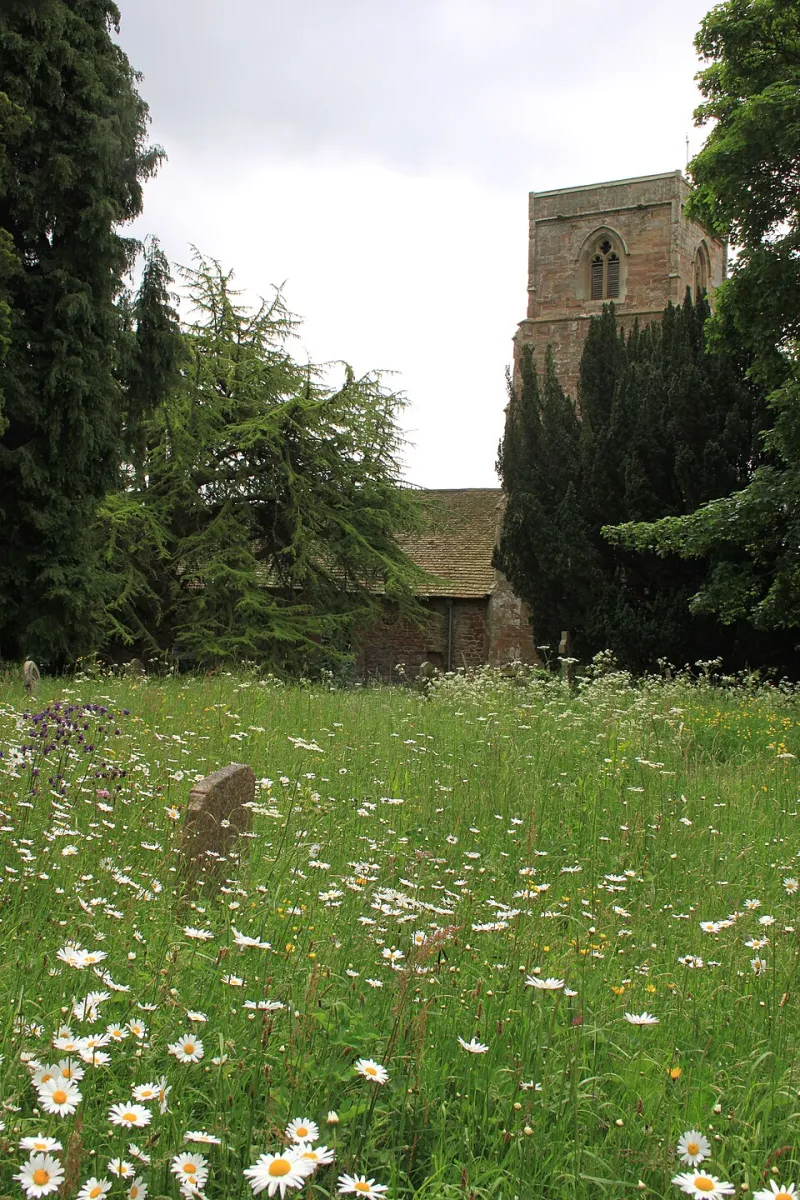
Photo: Roger Davies , CC BY-SA 2.0, via Wikimedia Commons
On a grey November morning in a churchyard somewhere between Heaton and the coast, the mower is silent. That is not because nobody cares. It is because somebody decided, a few seasons ago, that the far corner behind the yew tree could be left alone. The grass is longer there. The leaves have been allowed to gather. A small stack of logs sits against the wall, and a bee hotel — made from an old pallet and a few drilled blocks — waits for the weather to turn.
To a tidy-minded passer-by, it might look like neglect. To the volunteers who look after the place, it looks more like a change of mind. Across Tyneside, churchyards are quietly becoming wilder. Not everywhere, and not all at once. But in enough parishes to notice, the old instinct to cut everything short is giving way to something more patient: a churchyard that is good for the dead, and good for the living things that never stop arriving.
The case for a little mess
Churchyards have always been odd spaces. They are gardens and archives, places of grief and places of play. They are also, often, the oldest patch of undisturbed ground in a neighbourhood. In parts of Newcastle and North Tyneside, where gardens are small and parks are busy, that matters more than we sometimes admit. A churchyard can be a stepping stone for pollinators moving between allotments, railway embankments and back gardens. It can be a refuge for slow-worms, bats, beetles and the kind of wildflowers that have nowhere else to go.
A close-mown lawn is not the enemy. It has its place, especially around recent graves and along the paths people use every week. But a churchyard that is mown edge to edge, all year round, is a bit like a library where every book has been removed to make the shelves easier to dust. Tidy, yes. Alive, not so much.
When tidy felt like respect
None of this is about telling people off for wanting things neat. For generations, a well-kept churchyard has been a way of saying that we take remembrance seriously. Families travel across the city to stand at a grave. They want to be able to reach it. They want the stone to be visible. They want the place to feel cared for, because the person they loved was cared for.
That instinct is good. The question is whether neatness is the only way to show it. Volunteers across Tyneside are finding that it isn't. The trick is to stop thinking in terms of the whole churchyard and start thinking in zones. Mow the main paths. Keep the front edges short. Make sure the ground around recent burials is accessible. Then let the boundaries, the corners behind sheds, the strips along old walls and the ground beneath hedges do something else.
A churchyard can look cared-for without looking combed. A sign near the gate helps, too — something simple that explains why the grass is long in one place and short in another. People are usually less cross about a messy corner if they know it is a messy corner with a purpose.
What the volunteers are actually doing
On the ground, the work is less romantic than the idea. It involves rakes, seed packets, survey sheets and a lot of standing around asking whether that plant is a native wildflower or just a thistle with ambitions. A typical winter is spent planning: talking to the parish council, checking which areas are safe to leave, sowing yellow rattle where the grass is too strong, planting a hedge, repairing a wall, and applying for the small grants that make any of it possible.
Spring is when it becomes visible. No Mow May has become a familiar phrase, but in a churchyard it needs adapting. You still mow the paths. You still keep the main areas open. You let the rest grow, and you watch what arrives. Sometimes it is ox-eye daisy and buttercup. Sometimes it is a bee hotel full of leafcutter bees by June. Sometimes it is just a lot of long grass and a lesson in patience.
The grave in the long grass
There is a real tension here, and it would be dishonest to pretend otherwise. Grief and biodiversity can share a postcode, but they do not always agree about the gardening. Some families want short grass around a grave. Some want to plant something. Some just want to be able to find the stone without wading.
The parishes that manage this best tend to do two things. First, they talk to people early — not after the mower has been parked, but before the plan is set. Second, they keep the wilder areas away from the most visited graves, and they make sure there is always a mown route to the door. Creation care is not an excuse for making anyone feel unwelcome. It is meant to be an act of neighbourliness, and neighbours sometimes need a path kept clear.
How to start where you are
If you are part of a Tyneside congregation with a churchyard, you do not need a grand scheme. Pick a corner. Map what is already there. Ask the incumbent and the PCC before you change anything. Start with a strip along a wall or a patch behind a shed. Use native seed, avoid anything invasive, and do not disturb memorials or headstones. Record what you see — a simple list of birds, bees and flowers is enough. Put up a small sign. Involve a local school if you can. Then see what happens.
And if you are simply a reader who walks through a churchyard on the way to the shop, you can help too. Notice the long grass. Resist the urge to call it untidy. Maybe come back in June and see what the bees have made of it.
Churchyards have always been places where the past and the present sit together. Letting a corner grow wild is not a rejection of that. It is a way of saying that creation is not a backdrop to our faith — it is part of the congregation. The kingdom, it turns out, may be a little wilder than we think.