Ropes, Rhythm and a Brew: Inside a Tyneside Bell Tower on Practice Night
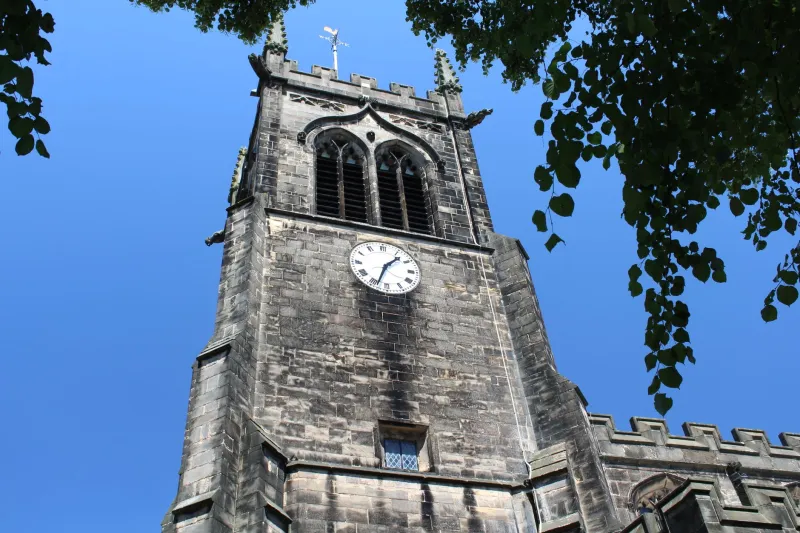
At 7.15pm on a wet Tuesday in November, the streets outside a parish church in Newcastle are doing their usual autumn thing: buses hissing, hoods up, someone sheltering in a doorway with a takeaway coffee. Inside, up a narrow spiral staircase, a different sort of weather is being made. Eight ropes hang in a circle. A tower captain is checking a notebook. And somewhere above us, a set of bells is waiting to be woken.
I have come to spend a practice night with a Tyneside bell-ringing band. Not to haul on a rope like a cartoon character, I should say — that is not how it works — but to understand what keeps this old, odd, deeply communal craft going in 2026. The answer, as ever in Newcastle, involves tea.
The sound before the sound
Before the bells ring, there is the room. It smells of stone, rope and the faintly dusty warmth of a building that has seen a lot of Sundays. On the wall, a board lists methods and names. A laminated sheet reminds everyone about hand-washing and safe handling. Someone has brought a tin of biscuits and placed it on a chair with the quiet authority of a liturgical act.
The tower captain, a retired teacher called Margaret, tells me that practice night is not a performance. It is a rehearsal, a lesson and a social club all at once. “People think it is about strength,” she says. “It is not. It is about rhythm, listening and trusting the person next to you. You are not pulling a bell; you are steering it.”
Change ringing is a peculiarly English thing: bells rung in patterns rather than tunes, each one moving in sequence, the band adjusting constantly so that the strikes stay even. It looks calm. It sounds like order being made out of mathematics and muscle. It is also, I quickly realise, a team sport disguised as an ecclesiastical hobby.
A rope in each hand and a room full of people
The band is a mixed bunch. There is a student from Heaton who started after a university freshers’ fair. There is a retired bus driver who has been ringing here for decades and still calls the older ringers “the young ones”. There is a woman in her thirties who joined after moving to Newcastle for work and wanting to know people outside her flat. There is a teenager learning on a silenced bell, practising the feel of the rope without the whole tower hearing every wobble.
That is one of the reassuring things about bell-ringing: learners are not thrown in. New ringers begin on a tied bell, guided by a teacher, then move gradually into rounds — the simple, repeated sequence of bells ringing one after another — before attempting anything more complicated. The language is its own dialect: plain hunt, call changes, Grandsire Doubles, Bob Minor. It sounds like a lost chapter of a detective novel. In practice, it is a group of people counting quietly under their breath and trying not to laugh when someone misses a cue.
What strikes me most is the listening. Nobody is shouting. The ropes move in a slow, deliberate dance. Margaret calls a change; the band adjusts. There is a mistake; someone says “sorry”, someone else says “no bother”, and they go again. It is not precious. It is ordinary, patient and rather moving.
Faith, funerals and the ordinary Tuesday
Bell-ringing has a reputation as a heritage activity, and it is certainly that. Change ringing grew in England in the seventeenth century, and many towers have kept going through wars, closures and changing congregations. But the tradition is not a museum piece. The bells here are rung for Sunday services, weddings and funerals. They are rung for Remembrance, for Christmas, for the odd civic occasion, and sometimes simply because it is Tuesday and the band is due a practice.
That mix matters. Not everyone in the tower is a regular churchgoer. Some are; some are not; some are somewhere in the middle, which is where a lot of Tyneside faith tends to live. But the tower is part of the church’s life, and the ringing carries a kind of prayer that does not need words. When a bell sounds across streets and rooftops, it is a public act. It says: something is happening here. A person has died. A couple has married. A community is gathering. Or simply: it is evening, and we are still here.
“You do not have to be a believer to ring,” Margaret says. “But you do have to be willing to be part of something bigger than yourself. That is not a bad definition of faith, either.”
An old tradition that still makes room
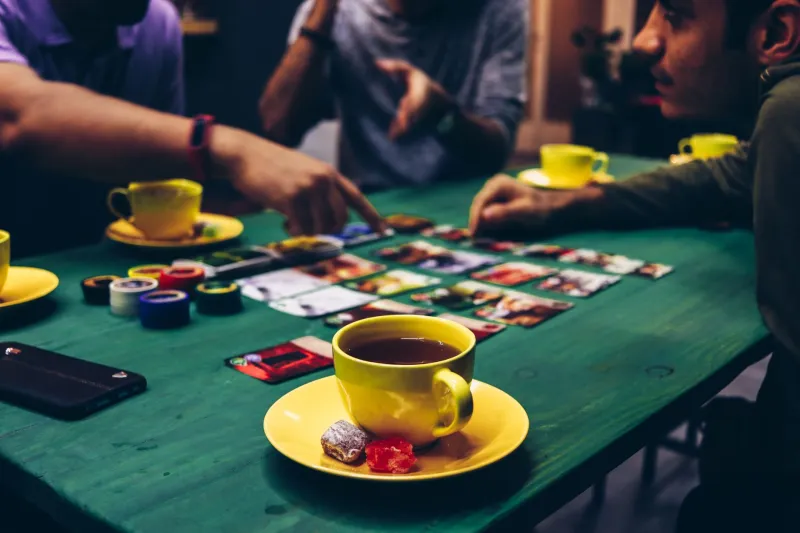
After an hour, we break for tea. The biscuits do not last long. The conversation ranges from bus routes to a recent quarter peal to whether the tower stairs are worse than the Quayside on a Saturday night. A new ringer asks a question about method names and gets three different answers, all delivered with affection. This is a community that knows how to make room.
That openness feels important. Bell-ringing has an image problem — people assume it is for the very old, the very religious or the very tall. In reality, towers across Tyneside are looking for newcomers. Some bands are small. Some are ageing. Some would love a few more people who can commit to a weekly practice and a Sunday morning now and then. The barriers are lower than they look: no musical training is required, no great strength is needed, and you do not have to wear anything special. You do, however, need to turn up.
If you fancy a go in 2026
If you are curious, the best first step is to contact a local tower. The Durham & Newcastle Diocesan Association of Church Bell Ringers lists towers and contacts, and many parishes are happy to arrange a taster session. In 2026, several towers are hoping to run open evenings and beginner courses, so it is worth asking even if you have never touched a rope before. Taster sessions are usually free, informal and short. You will not be expected to ring a full peal on your first night.
A few practical notes: wear close-fitting sleeves and avoid loose scarves or trailing coats near the ropes. Bring water. Be ready to climb stairs — not every tower is accessible, so ask ahead. And go with an open mind. The learning curve is real, but so is the welcome.
As I leave, the band is starting another set. The sound follows me down the stairs and out into the damp Newcastle air, where it meets the traffic and the rain and the ordinary noise of a city on a Tuesday night. It is an old sound, but it is not a dead one. It is a rope in a room, a group of people listening to each other, and a bell calling the Tyne to pay attention.