Cork and Pins: The Quiet Archive Hanging in Tyneside’s Church Halls
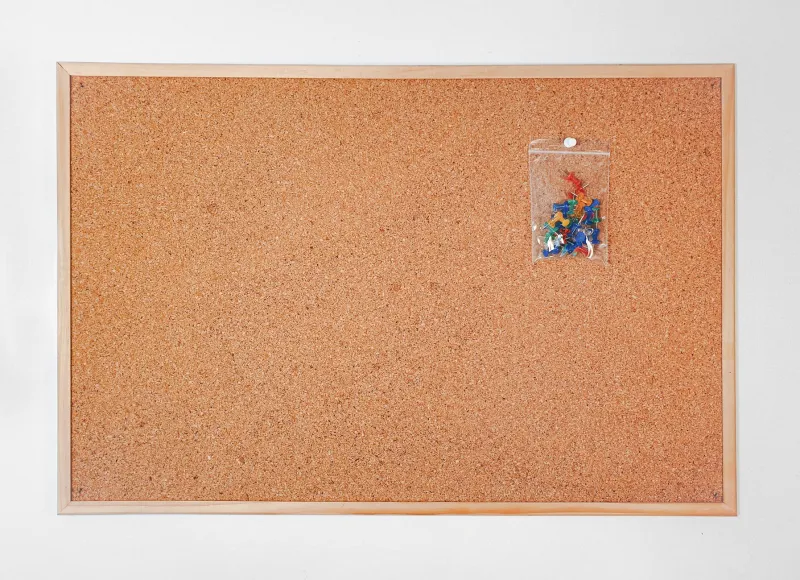
There is a particular smell to a church hall noticeboard. Not the cork itself, though that has a dry, papery scent of its own. It is the smell of old Sellotape going amber, of felt-tip pen and photocopier toner, of raffle tickets left too long in a plastic wallet. Walk into almost any parish hall between Byker and Benwell, Heaton and Gateshead, and the board is there by the door: a low, patient hum of everything the building is trying to be.
You might glance at it on your way to a coffee morning. You might not. But the people who pin things there know that the board is never really ignored. It is read in glances — a phone number taken down, a date half-remembered, a name recognised. It is the community’s slow, analogue scroll.
The Handwritten Amendment
At a hall in Heaton, the room-hire sheet is a masterpiece of correction. Tuesday: Toddler Group, 9.30–11.15. Wednesday: Yoga (new time 7pm) in biro, the original 6.30 crossed out with a single, decisive line. Thursday: Choir, though someone has added ‘except 3rd Thurs’ in a different hand. The board is not a document; it is a conversation.
“People think you just stick a poster up,” says Margaret, who has looked after the board at her hall for eleven years. “But you’re always moving things. A funeral tea takes priority. A boiler breaks. Someone’s little one starts school and the toddler group loses a helper. You pin, you unpin. It’s a living thing.”
Margaret keeps a drawer of drawing pins in the vestry, sorted by colour, though she could not tell you why. She has a rule about not layering notices more than three deep. “Otherwise it’s just wallpaper,” she says. “You want people to see what’s new, but you don’t want to make the old things disappear. There’s a balance.”
What the List Reveals
On a board in Gateshead, beside the fire exit, there is a charity collection list that has been running since Easter. Tins for the food bank. A box for warm coats. A jar for the air ambulance. The handwriting changes from week to week. Someone has added ‘thank you’ at the bottom, then crossed it out and written ‘THANK YOU’ in capitals. It is the smallest of gestures, and it is the whole point.
The board tells you what a community is actually doing, not what it says it does. A poster for a quiz night sits next to a notice about a bereavement group. A toddler singing session shares a pin with a request for volunteers to stack chairs. There is no hierarchy. The sacred and the practical are stapled together, occasionally overlapping.
And then there are the typos. ‘Coffee moring’. ‘Sunday service 10.30am — all wellcome’. ‘Chirstmas fair’. They are not failures. They are proof that someone wrote it in a hurry, between other things, because it mattered enough to put up. A typo on a noticeboard is a small act of hope: the belief that somebody will read it, and that the reading will make a difference.
The Memorial Corner
At a hall in Walker, the left-hand side of the board is given over to remembrance. A photograph of a woman in a floral dress, laminated, with a date of birth and a date of death. A notice for a memorial service. A handwritten card thanking people for donations to a hospice. The pins here are newer, the paper less faded.
“We don’t take them down straight away,” says Denis, who helps maintain the board. “People like to see their mam’s name. It’s not morbid. It’s just — she was here. She made the tea. She ran the bingo. The board is where we say that.”
There is a tenderness in the way these notices are arranged. They are not tucked away. They are not hidden in a corner. They sit alongside the jumble sale and the pilates class, because grief and ordinary life are not separate things. They share a pin.
The Curators Nobody Notices
Nobody trains a noticeboard curator. They learn by doing: which corner gets the most footfall, which height is readable for someone in a wheelchair, which notices need to be moved before they become invisible. They know that a poster at eye level is seen; a poster above the kettle is read.
They also know the etiquette of removal. You do not take down a notice because it is old. You take it down because it has happened. A date passes. A room is no longer booked. A person has been buried. The board is a calendar of completion as much as anticipation.
“I like the quiet of it,” Margaret says. “On a Monday morning, before anyone comes in, I’ll have a look and see what’s happened over the weekend. A new notice. A missing one. You can tell what kind of week it’s been.”
A Small, Hopeful Ledger
In an age of group chats and email bulletins, the parish hall noticeboard should be obsolete. It is not. It is slower and more forgiving. It does not demand a response. It waits. It holds space for the person who does not have a smartphone, the parent who forgot the toddler group time, the older man who reads every line because the walk to the hall is his main conversation of the day.
The board is a ledger of belonging, written in biro and drawing pins. It knows who is new, who is grieving, who is needed, who is selling jam. It knows that the Christmas fair needs helpers and that the food bank is short of pasta. It knows that someone spelt ‘welcome’ wrong, and that nobody minded.
Next time you push open a parish hall door in Newcastle or Gateshead, pause by the board. Read the crossings-out. Notice the names. It is not just a noticeboard. It is the community, telling its own story, one pin at a time.