The Longest Night Isn't the Loneliest: Blue Christmas Services Across Tyneside
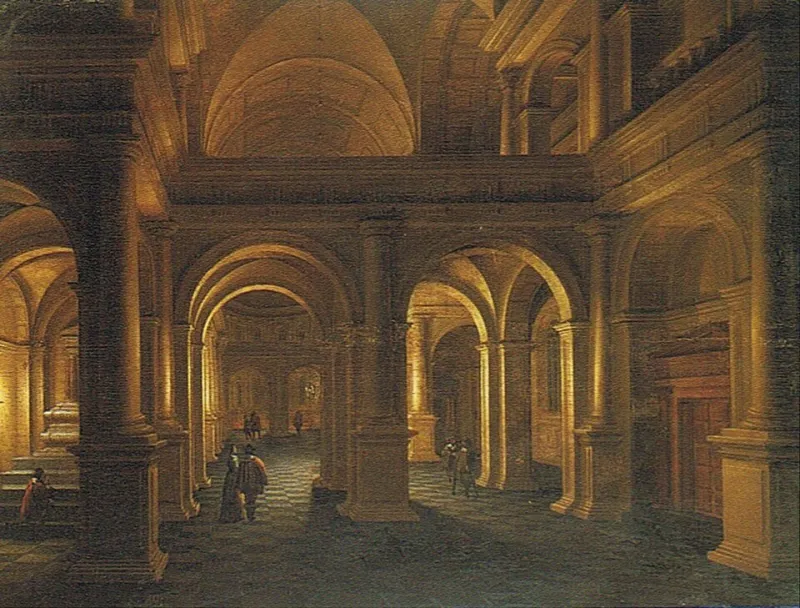
Photo: Anthonie de Lorme / Anthonie Palamedesz., Public domain, via Wikimedia Commons
There's a particular kind of quiet in a church hall on a dark December evening, just before something begins. The urn clicks. Someone straightens a row of chairs that was already straight. A woman in a good coat sits near the back and keeps her gloves on. Nobody hands her a paper hat.
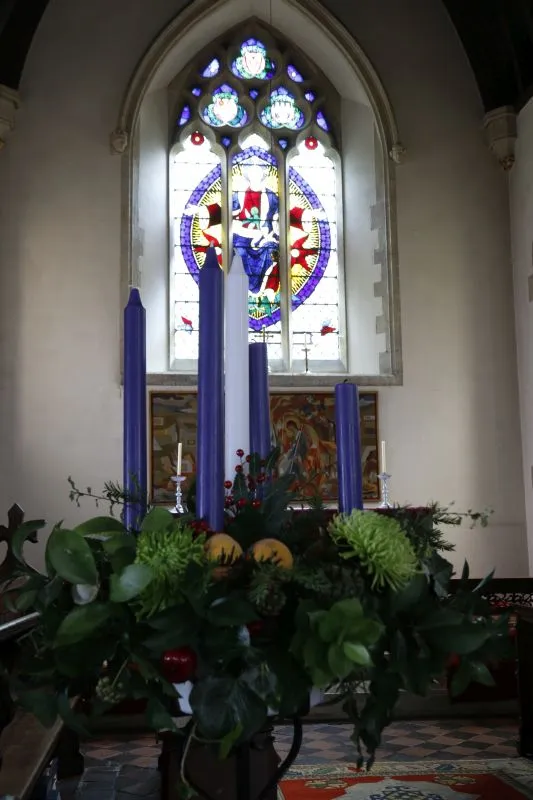
That quiet is the whole point. Across Tyneside this month, as Advent candles are lit and shop windows get louder, a growing number of parishes are setting aside an hour for people who would rather the season came with a volume control. They're usually called Blue Christmas services, sometimes longest-night services, sometimes something gentler still, and they tend to gather near the winter solstice — this year, Monday 21 December 2026, the shortest day and the longest stretch of dark.
What a Blue Christmas actually is
Strip away the name and it's simple: a short service, often 40 minutes or so, built for people who are grieving, anxious, unwell, isolated or simply worn out by a December that insists on being merry. There's usually music, but it's reflective rather than rousing. There are readings, often from Isaiah or the Psalms, that speak about waiting in the dark rather than pretending the dark isn't there. There is very often silence, and quite a lot of it.
The defining feature, though, is permission. Permission to cry. Permission to leave early. Permission to sit at the back and not sing. Permission to say, when someone asks how you are, something other than 'fine, busy, you?'
Many services include a moment where people can light a candle or write a name on a card and pin it to a tree — for someone who has died, for a relationship that has ended, for a year that has been harder than anyone at work knows. It sounds small. In practice it is often the first time in weeks that somebody has been able to put the thing down in public.
Who comes through the door
If you've never been to one, you might imagine a room full of strangers. In reality it's usually a mixture: a widower in his eighties who has done Christmas alone twice now; a young couple who lost a baby and can't face the family group chat; a nurse finishing a run of nights; a man whose marriage quietly ended in the spring and who hasn't told his mother yet.
There are also plenty of people with no dramatic story at all. They're just tired. They find the expectation of joy exhausting, the office Secret Santa mildly unbearable, and the phrase 'it's the most wonderful time of the year' a small daily insult. A Blue Christmas doesn't require you to produce a reason to be there. Turning up is enough.
Why the lack of cheer is the welcome
The temptation, for those of us who organise things, is always to soften the edges — add a mince pie, a festive quiz, a bit of Slade on the way out. The best of these services resist that. Not because they're gloomy, but because forced cheer is the one thing most likely to send a grieving person back out into the car park.
What churches can offer here is something they're actually rather good at when they remember: a space where the truth can be told. The Christian year has always understood that light makes most sense when you've sat in the dark for a while. Advent is, at heart, a season of longing, not of arrival. A Blue Christmas simply takes that seriously.
You'll often hear the phrase 'a quiet welcome'. It means no one will descend on you at the door. It means the person handing out orders of service will say hello and then let you choose your own seat. It means tea afterwards, if you want it, and a clear route to the door if you don't.
Finding one locally in 2026
Details vary parish to parish, so the reliable move is to check notice sheets, church websites and the community boards in places like Jesmond, Heaton, Byker and Gosforth, or ask at a nearby Anglican, Catholic, Methodist or URC church — most will know who's running one even if they aren't themselves. Newcastle Cathedral and several suburban parishes have hosted such services in recent years, and many now hold them in the week before Christmas rather than on the night itself. Look for the words Blue Christmas, Longest Night, Service of Remembrance or Service of Light.
If crowds are the problem, ask whether there's a quieter earlier slot, or whether the building is open for private prayer during the week. Several churches keep a candle stand out through December precisely so people can slip in on a Tuesday lunchtime and be back at their desk by two.
If you're the one who's doing all right
One of the kindest things you can do this month is offer to go with someone. Sit beside them. Drive them. Don't fill the silences in the car afterwards. And resist the urge to fix things with a plan — a Boxing Day invitation is a lovely thing, but only after you've asked whether they'd like one.
Practical support helps too: a lift to the service, a text on the 25th, a plate of something left on a doorstep without ceremony. Churches talk a great deal about community, but community is mostly this — small, unglamorous logistics performed by people who noticed.
Where to turn if the season feels heavy
If you're struggling, you don't have to wait for a service. The Samaritans are on 116 123, free, any hour of the day or night. Cruse Bereavement Support offers free help on 0808 808 1677. Mind and Age UK both have local Newcastle services worth a search, and your GP surgery can point you towards counselling.
And if all you manage this December is to sit in a cold church hall for forty minutes with your coat on, listening to someone read about a people who walked in darkness — that counts. The light is promised. It doesn't have to arrive all at once.