Soup, Steam and Sanctuary: Finding a Warm Welcome in Tyneside’s Parish Halls This Winter
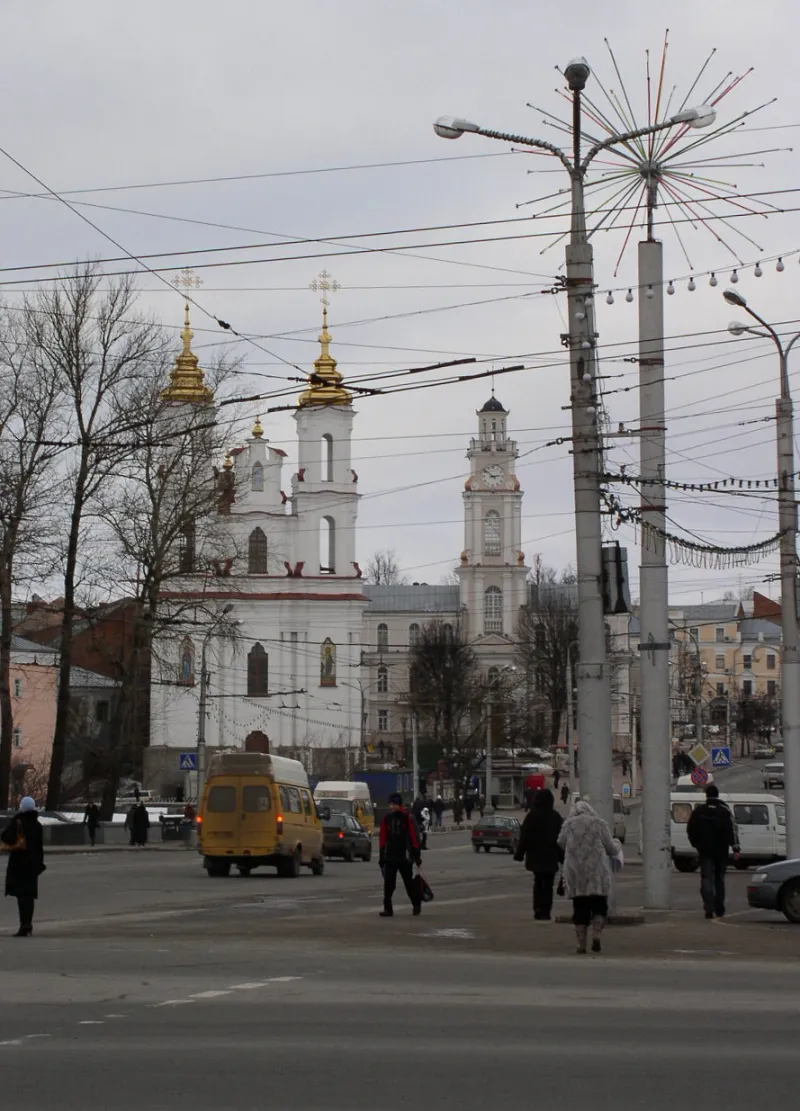
Photo: Alex Zelenko, CC BY-SA 4.0, via Wikimedia Commons
On a grey Tuesday in January 2026, the doors of a parish hall in Byker open at 10am. By 10.15, the place smells of lentil soup and toast. A kettle clicks off. Someone laughs. A volunteer called Margaret — not her real name, but she likes the anonymity — is ladling soup into mismatched bowls.
‘We’re not doing anything complicated,’ she says. ‘We put the heating on, make tea, and let people come.’
That simple offer is being repeated across Tyneside this winter. From Heaton to Hebburn, Benwell to Benton, church halls and community rooms are opening as warm spaces. Some are run by Anglican parishes, some by Catholic churches, Methodists, United Reformed congregations, or community groups using church buildings. The details differ. The welcome is meant to be the same.
More than a radiator: what a warm space actually offers
A warm space is exactly what it sounds like: a room that is heated, safe, and free to enter. But the best ones are more than that. They are places where the kettle is always on, where you can sit without spending money, and where nobody asks you to explain why you came.
In 2026, that matters. Energy costs are still stretching household budgets. Older neighbours may be choosing between heating and eating. Parents with young children look for somewhere to go that does not cost £15 in a café. People who live alone may go days without a proper conversation. A church hall with a bowl of soup can meet several needs at once.
‘We get all sorts,’ Margaret says. ‘A man who lost his wife last year. A young mum with a baby. A couple who come because their flat is cold. Nobody has to say anything. They can just sit.’
Soup on the hob, stories round the table
At one hall in Gateshead, the weekly warm space begins with a short act of worship — optional, low-key, no hymn books required. At another in North Tyneside, the focus is crafts and cake. In South Tyneside, a group of volunteers runs a ‘soup and a story’ hour, where someone reads a poem or a short passage while people eat.
The food is rarely fancy. Lentil soup, vegetable broth, toast, biscuits, tea, coffee. Sometimes a tray of sandwiches. The point is not the menu; it is the table. When people eat together, conversation happens. When conversation happens, isolation loosens its grip.
One volunteer in Heaton tells me about a man who came in ‘just for a warm’ and ended up helping with the washing up. ‘He said it was the first time in months anyone had asked him to do anything useful,’ she says. ‘That’s the thing. People don’t just need heat. They need to be needed.’
A practical guide to finding a warm welcome
If you or someone you know could use a warm space this winter, here are some ways to find one:
- Check local parish noticeboards and websites. Many churches list their warm space times on the front door or in the weekly newsletter. Look for words like ‘warm welcome’, ‘community café’, ‘drop-in’ or ‘soup lunch’.
- Ask at your local library. Librarians are often a hub of local knowledge and may have a printed list of warm spaces in the area.
- Look up the Warm Welcome Campaign. The national campaign lists registered warm spaces online. Search for your postcode and see what is nearby.
- Contact Newcastle City Council or your local authority. Many councils publish warm spaces maps and directories for Newcastle, Gateshead, North Tyneside and South Tyneside.
- Use word of mouth. Ask a neighbour, a health visitor, a carer or a community nurse. Sometimes the best information travels by tea and conversation.
- Ring the parish office. Even if a church is not running a warm space itself, someone there will usually know who is.
If you are not sure what to expect, ring ahead. Ask whether the space is step-free, whether there is food, and whether children are welcome. A good warm space will be glad you asked.
How to support a warm space this season
Warm spaces run on kindness and practical donations. Here is how you can help:
- Give tinned soup, tea, coffee, biscuits, long-life milk and squash. Ask the organiser what they actually need before you buy.
- Offer to volunteer. You might make tea, wash up, set out chairs, or simply sit and chat. Rotas need people who can commit to one Tuesday a month, not just a one-off.
- Donate warm coats, hats, gloves and blankets. Some halls keep a small rail of spare warm clothing for visitors.
- Offer a lift. Transport can be the difference between someone coming and staying home.
- Share the information. Tell a neighbour, pop a note through a door, or share a poster on a community WhatsApp group.
- Pray for the volunteers and guests. It sounds small, but many organisers will tell you it sustains them.
A small liturgy of tea and toast
There is a phrase in the Benedictine tradition: ora et labora, pray and work. A church hall warm space is a good place to see both. The work is putting out cups and checking the heating. The prayer is the welcome — the smile at the door, the extra biscuit on the plate, the patience to listen to someone’s story for the third time.
At St Bede's Newcastle, we believe community is not a programme; it is a practice. It looks like a volunteer named Margaret, a bowl of soup, and a door left open on a cold day. If you need that this winter, please ask. If you can offer it, please do. Warmth is a small thing that can change a day — and sometimes a season.
For details of warm spaces in your area, start with your nearest church hall, library or council website. And if you pop in for a cup of tea, you may find you leave with more than you came for.