Quiet Stones and Holy Ground: A Slow Pilgrim's Ramble Through Tyneside's Bede Country
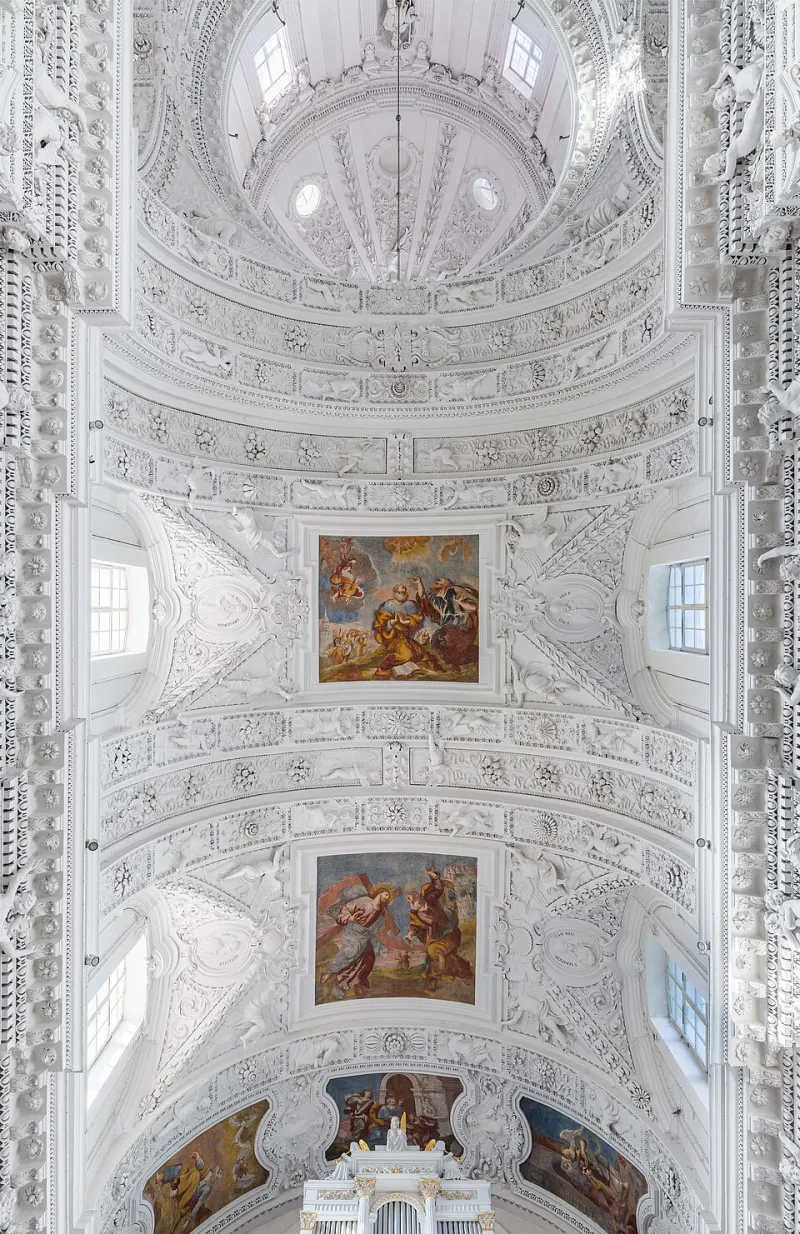
Photo: Diliff, CC BY-SA 3.0, via Wikimedia Commons
Bede is often called the father of English history, but on Tyneside he feels less like a monument and more like a neighbour. He spent most of his life in the twin monastery of Monkwearmouth and Jarrow, praying, teaching and writing. He died in 735. The world he knew was one of small wooden churches, tidal rivers and long dark evenings. A pilgrimage in his footsteps does not have to be grand. It can be a Metro ride, a short walk and an hour of silence.
Begin where Bede prayed
St Paul's Church in Jarrow is the obvious starting point, and it earns its place. The present church stands on the site of the monastery where Bede lived and worked. Parts of the building are Saxon, and the atmosphere is thick with centuries of worship. It is not a museum piece; it is a working church, which means you may find a service, a food bank collection or a toddler group in progress. Check opening times before you travel, and be ready to sit quietly rather than tour noisily.
Nearby, Jarrow Hall tells the story of Bede and the Anglo-Saxon world in a more family-friendly way. It is a good place to take children or to fill in the historical gaps. The combination of church and museum makes a solid half-day, especially if you stop for a pot of tea nearby.
The twin foundation
If you have time, cross the river to St Peter's Church in Monkwearmouth, the other half of Bede's monastery. It is just beyond Tyneside, in Sunderland, but the journey completes the picture. The church has Saxon work, including a famous balcony and carved stones. Again, check times. These are living places of worship, not visitor attractions with fixed opening hours, and a locked door is not a rejection — it is simply a reminder to ring ahead.
A hidden chapel in Jesmond
Back in Newcastle, St Mary's Chapel in Jesmond is one of the city's quietest surprises. Tucked away near Jesmond Dene, the small medieval chapel is easy to miss. It is not always open, so plan around advertised events or services. When you do find it open, the scale is what strikes you: thick walls, small windows, a sense of shelter. It is the kind of place where you can hear the rain on the roof and nothing else. Take a short walk in the dene afterwards, but leave the headphones at home.
City-centre stillness
Newcastle city centre has its own layers of faith and history. St Nicholas Cathedral, with its lantern tower, is the mother church of the city and a good place for a quiet midday pause. A few streets away, the Holy Jesus Hospital and the Blackfriars site hint at the medieval religious life that once shaped the town. These are not always open for worship, and some are now used for other purposes, but they are worth noticing as you walk past. History is not only in glass cases; it is in the shape of the streets.
For a simpler stop, look for the smaller city churches that keep their doors open during the day. St John the Baptist on Grainger Street, for example, has medieval roots and a peaceful feel amid the shopping crowds. Light a candle if that is your tradition, or simply sit for five minutes. The city noise fades more than you might expect.
Practical pilgrim tips
A reflective day out works best when you do not overfill it. Choose two or three places, not six. Check opening times on the day, especially outside summer. Wear comfortable shoes and a waterproof; Tyneside weather does not respect your plans. Carry a flask and a snack, but support local cafes where you can. If you are travelling by public transport, the Metro and local buses will get you close to most of these sites, though some require a short walk.
Remember that these are holy places first and heritage sites second. Ask before taking photographs, keep your voice low, and do not treat a service as a spectacle. If you are not sure whether you are welcome, ask. In my experience, the answer is usually yes.
Walking with Bede
Bede wrote about history because he believed that remembering was a form of faithfulness. A pilgrimage in his footsteps is not about proving anything. It is about paying attention: to stone, to silence, to the river, to the people who have prayed in these places before us. You do not need to be a Christian to appreciate that. You only need to be curious, and willing to slow down.
At the end of the day, find a bench near the Tyne and watch the water. Bede would have known this river, or one very like it. The current moves, the light changes, and the city carries on. Some things are worth taking time over. Tyneside's hidden holy places are among them.